The central answer: check whether the ingredient list on an anti-redness or eye-area cosmetic contains Phytonadione Epoxide. A new preliminary opinion from the EU Scientific Committee on Consumer Safety says vitamin K1 oxide is not safe at concentrations up to 1%. That does not mean every redness-care product should be discarded; compare the exact formula, purpose and current INCI list.
What changed for vitamin K1 oxide?
Vitamin K1 oxide, labelled Phytonadione Epoxide, is an oxidised form of vitamin K1 used as a skin-conditioning ingredient. It has appeared in some eye-contour, uneven-tone and redness-prone skin products. It is not the same as vitamin K2 in a food supplement, and it is not a medicine.
In its preliminary opinion published on 5 November 2026, the SCCS concludes that the ingredient is not safe in cosmetics at up to 1%. The committee cites reports of serious allergic skin reactions that sometimes required medical treatment. Because quantitative hazard and consumer-exposure data were insufficient, it could not identify a safe maximum concentration. Comments are open until 11 January 2027, so this is a preliminary scientific opinion rather than a new blanket sales ban.
How to check a cosmetic in Belgium
Find the INCI ingredient list on the box, tube or leaflet and look for Phytonadione Epoxide. Belgium’s Federal Public Service Health guidance explains that cosmetic ingredients must be listed under standard INCI names, generally in descending order. Position does not reveal the exact percentage. An online shop description may also lag behind a reformulation, so the current pack is the strongest practical reference.
Do not confuse the term with Phytonadione, Phytomenadione or vitamin K2. A pharmacist can help inspect the pack if the wording is unclear. The European Commission’s CosIng database is useful for names, but the Commission stresses that database inclusion is not approval or proof that an ingredient is legally permitted.
Compare five redness-care products by job
These cosmetics are relevant comparison choices because of their intended use. PharmaCompare has not established that they are free of vitamin K1 oxide: always verify the current formula’s INCI list before buying.
A dedicated night product
The Louis Widmer Skinexpert Anti-Redness Night Emulsion is fragrance-free and designed for evening use. Two catalog offers ranged from €22.20 to €32.50, more than €10 apart for the same product. This format suits someone seeking a separate night step, not daytime coverage or sun protection.
A serum layer
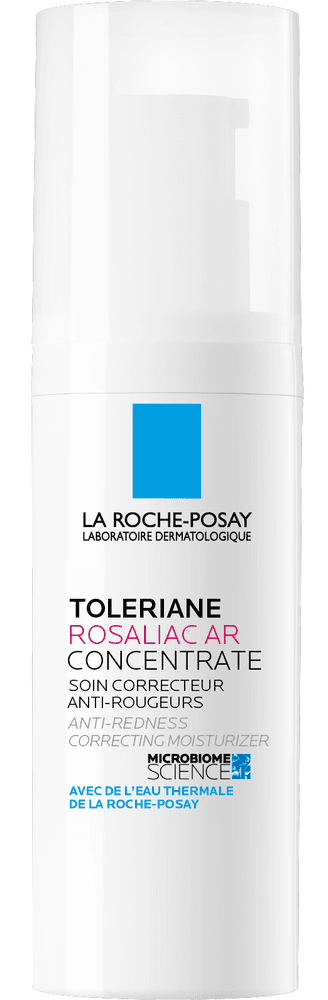
The La Roche-Posay Toleriane Rosaliac AR Serum is a serum, so it may not replace moisturiser or sunscreen. Observed prices ranged from €25.56 to €33.95. Compare the total routine cost as well as the bottle price.
Tinted day care with SPF
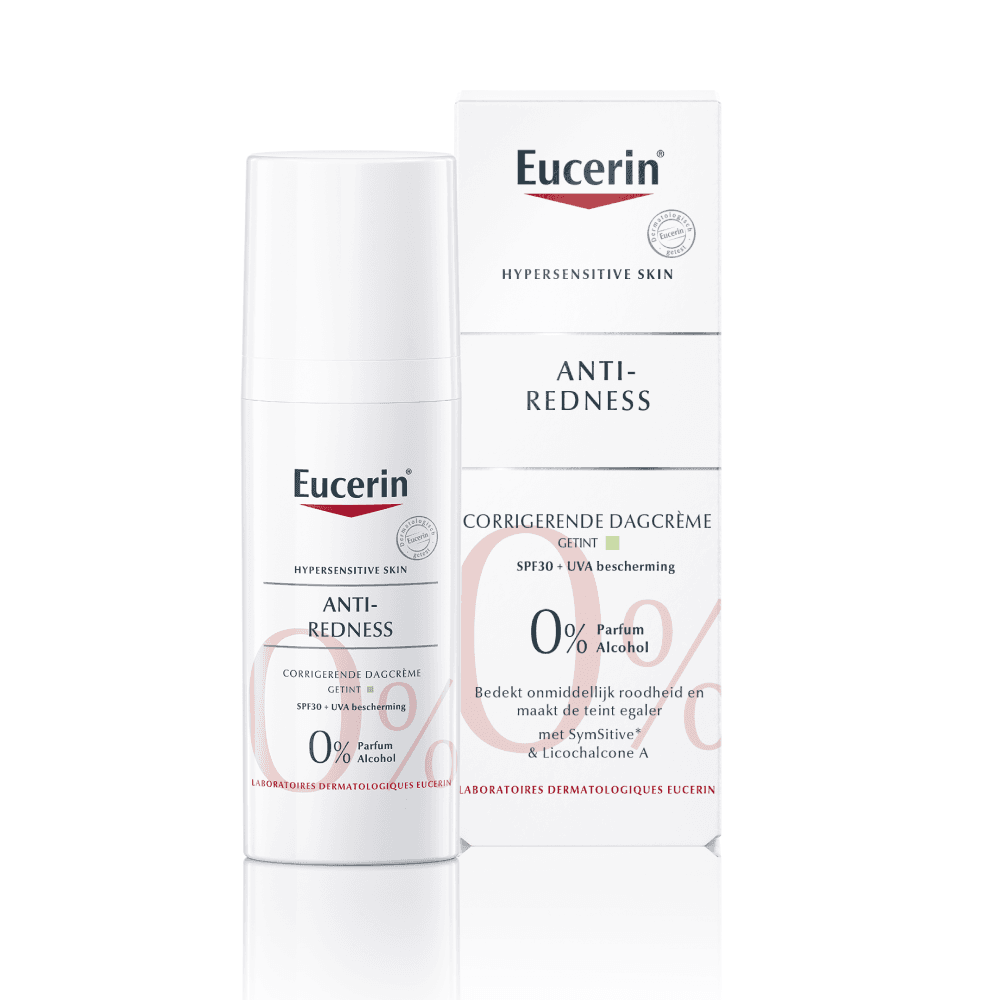
The Eucerin Anti-Redness Correcting Cream SPF30 combines a green tint with SPF30. It answers a different daytime need from a plain night cream. Catalog offers ranged from €19.12 to €25.65. Apply the labelled amount for the stated protection and use suitable additional sun protection during extended exposure.
Untinted calming cream
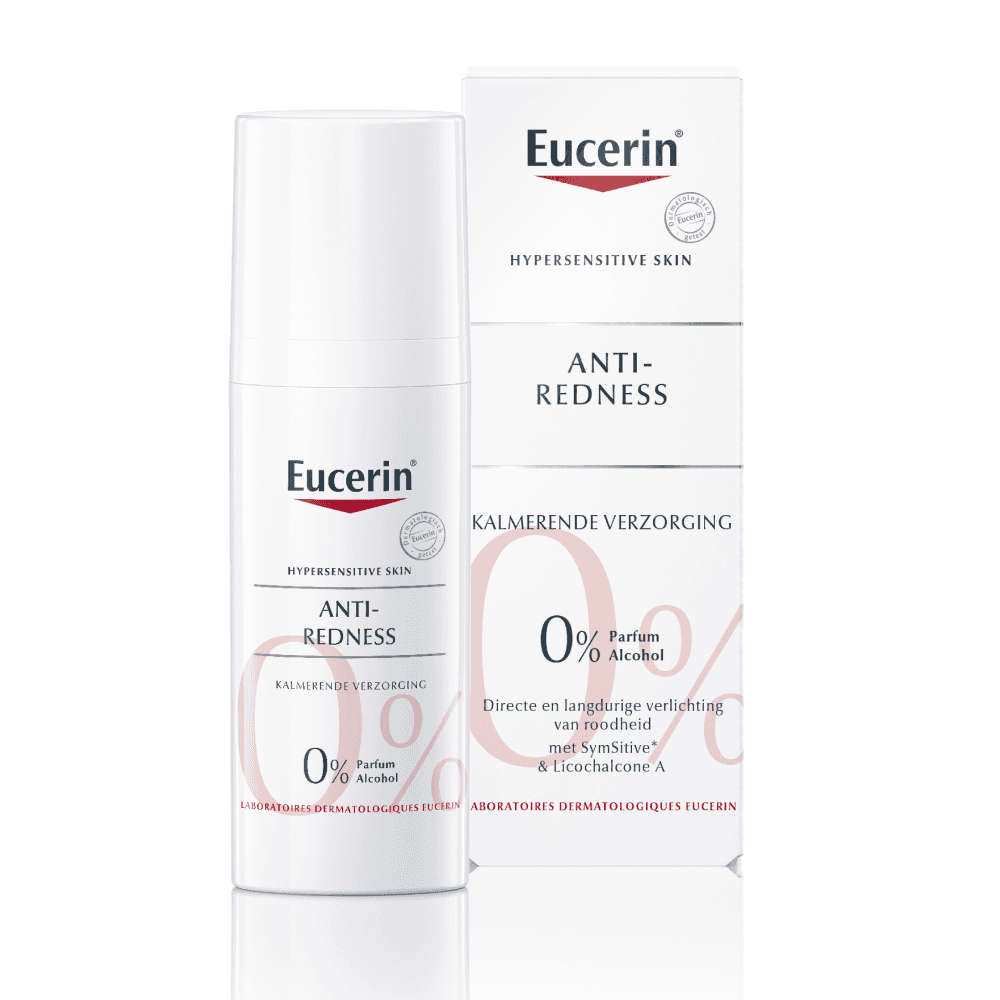
The Eucerin Hypersensitive AntiRedness Cream is an untinted option. Its observed prices were €22.39 to €28.50. It makes more sense when colour correction is unwanted and a separate SPF is already part of the routine. Compare pack size, dispenser and price per millilitre, not only the lowest checkout price.
Care for persistent-looking redness
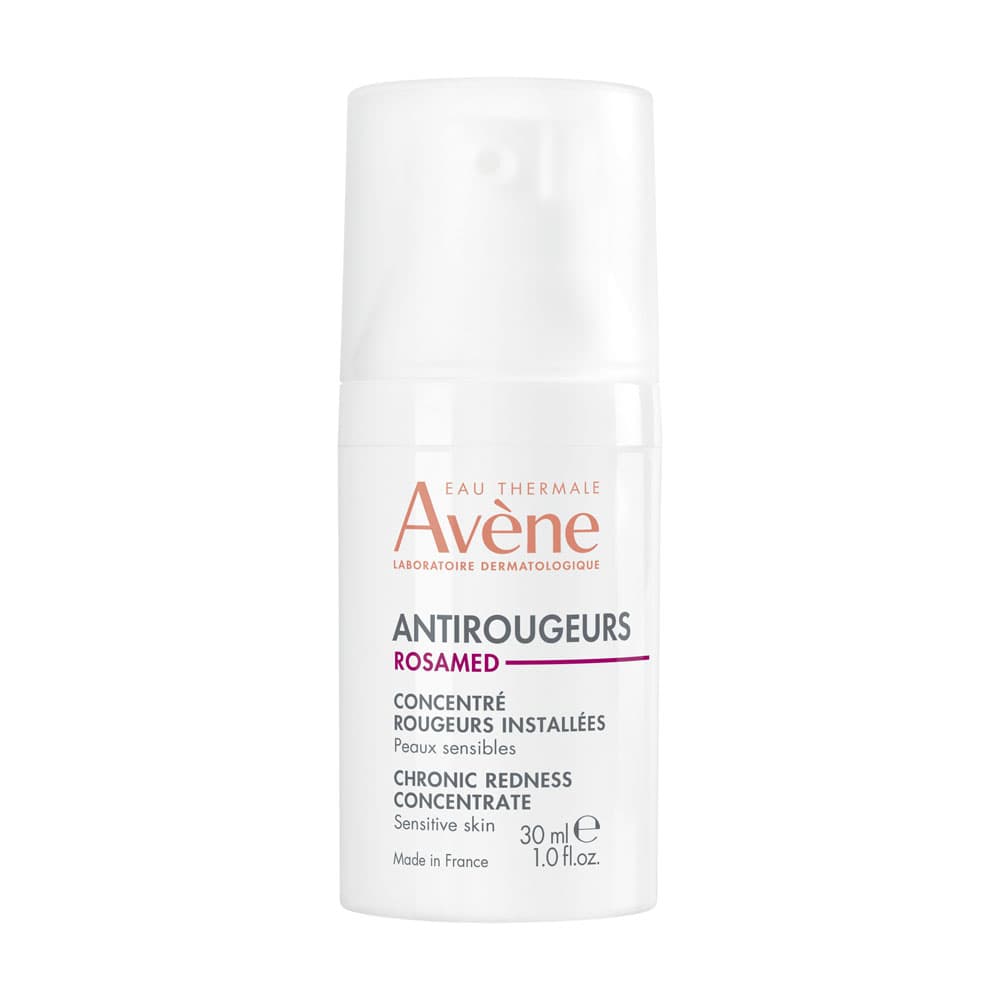
The Avène Antirougeurs Rosamed Concentrate targets skin with persistent-looking redness. Catalog prices ranged from €21.90 to €27.97. Cosmetics may support comfort or appearance, but they do not treat rosacea as a medical condition. For ongoing symptoms, see our rosacea guide and speak with a doctor.
What else should you compare?
Start with the job: serum, day cream, night care or tinted SPF. Then compare fragrance, alcohol, pack design, quantity and frequency of use. A lower-priced serum may cost more per routine when two other products are still needed. A higher-priced day cream may combine several cosmetic functions.
Include delivery charges and check current stock. The figures above are snapshots from the PharmaCompare catalog and can change. The product page shows the comparison available when you are ready to decide.
What if your skin reacts?
Stop using the suspected cosmetic and keep the pack, ingredient list and batch number. Belgian public-health guidance recommends contacting a doctor or dermatologist for irritation or an allergic reaction. A report can be made through Belgian cosmetovigilance with help from a doctor or pharmacist. Swelling of the lips or throat, breathing difficulty or a rapidly severe reaction requires urgent medical care.
Quick questions
Should every anti-redness product be avoided? No. Check the individual label for Phytonadione Epoxide and select for the intended use.
Does an online ingredient list prove a formula is safe? No. Formulas change; check the current package.
Can a cream treat rosacea? A cosmetic can care for or camouflage skin, but it is not a diagnosis or medicine.
The SCCS opinion is a reason to read ingredient lists more carefully, not to discard products at random. Compare the current INCI list, function, volume and price, then review live offers on PharmaCompare.