As daylight shortens, many people in Belgium wonder which vitamin D format makes most sense. The short answer is: drops allow flexible dosing, tablets are simple, chewables help when swallowing is awkward, and softgels are compact. Choose an appropriate daily dose first; only then compare format, ingredients and price. A higher number on the pack is not automatically better.
These products are food supplements, not medicines for fatigue or winter infections. Anyone with a diagnosed deficiency, kidney condition, calcium disorder or regular medication should ask a doctor or pharmacist about dose and duration.
What vitamin D dose should you look for?
Belgium’s Superior Health Council gives reference intakes of 10 to 15 micrograms per day for healthy adolescents and adults, and 20 micrograms for pregnant or breastfeeding women and people over 70. One microgram equals 40 international units (IU), so 10 micrograms is 400 IU and 20 micrograms is 800 IU. The full Belgian nutritional recommendations provide context; a healthcare professional can advise on individual needs.
The European Food Safety Authority sets an adult tolerable upper intake level of 100 micrograms, or 4,000 IU, per day from all sources. This is a safety ceiling, not a target. Include vitamin D from multivitamins, calcium formulas and fortified foods when adding up your intake. The EFSA dietary reference values overview explains the distinction between reference intakes and upper levels.
Drops, tablets, chewables or softgels?
Drops: flexible, but measure carefully
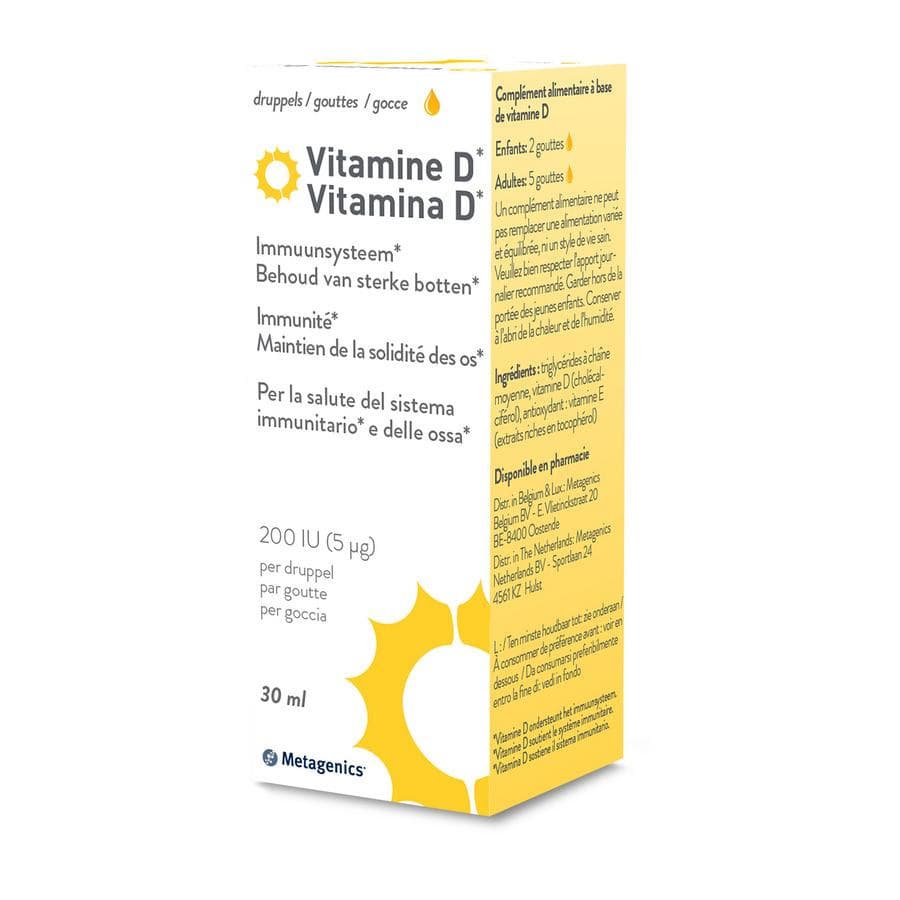
Drops suit people who struggle to swallow tablets or need a format that permits small adjustments. Check exactly how many IU or micrograms each drop provides: a pipette, drop or millilitre does not mean the same dose across brands. Metagenics Vitamin D Drops currently range from €6.79 to €10.75 in our data, a €3.96 difference between two retailers. Compare the number of daily doses in the bottle, not only the shelf price.
Standard tablets: clear and travel-friendly
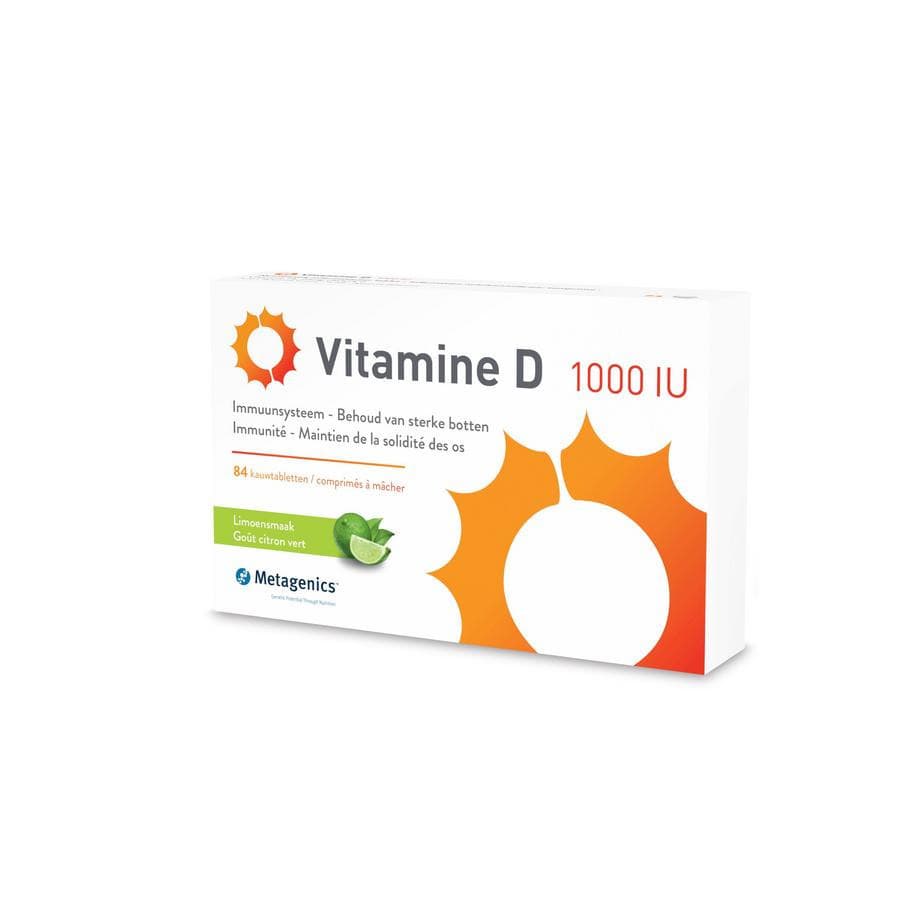
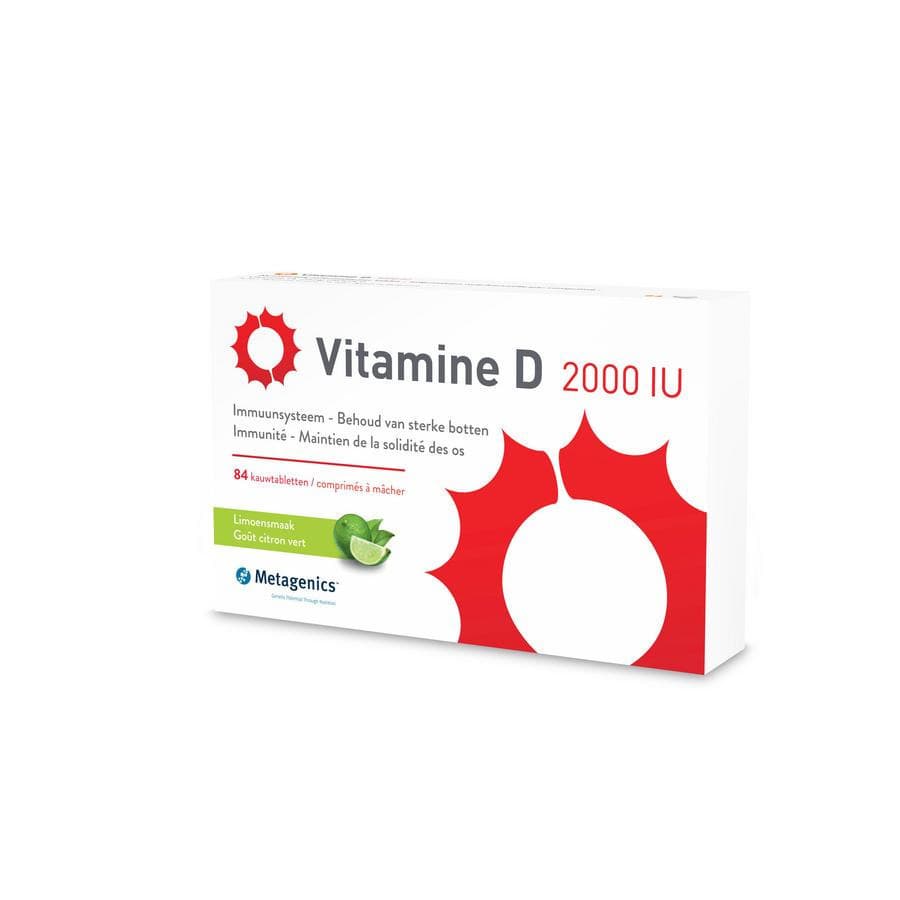
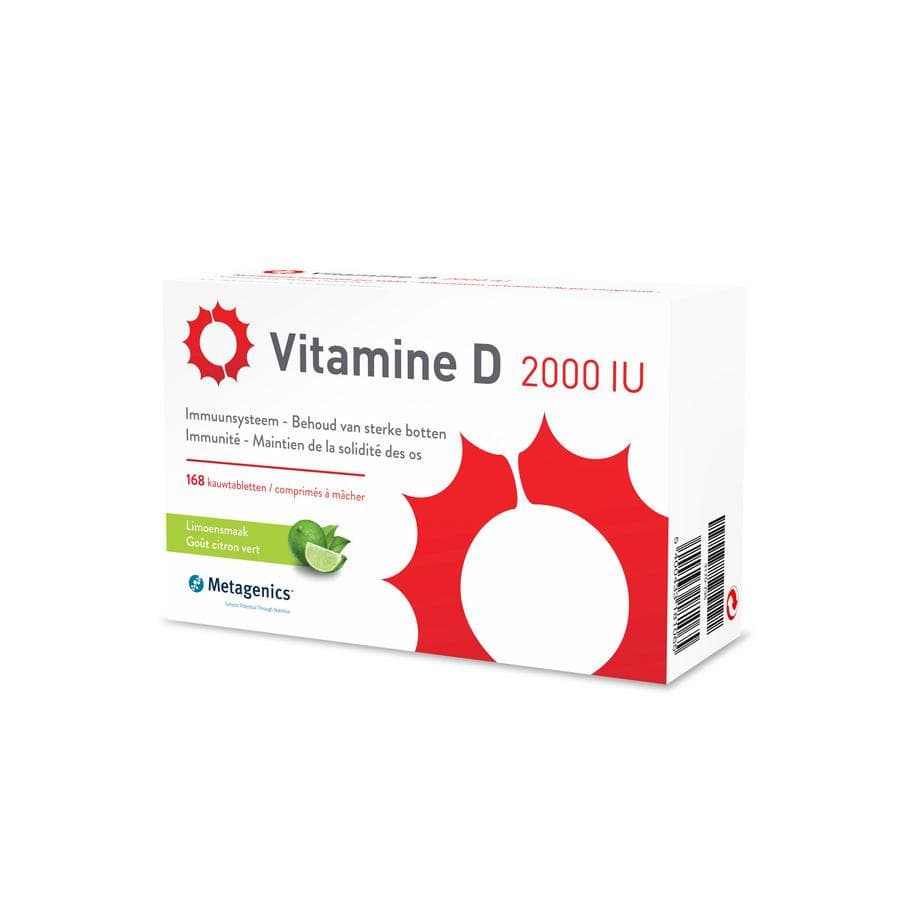
A fixed-dose tablet avoids measuring and fits easily into a routine. Metagenics Vitamin D 1000 IU Tablets currently compare at €9.72 to €14.95. Metagenics Vitamin D 2000 IU Tablets range from €11.02 to €17.05. The latter shows a €6.03 spread, but 2,000 IU is not the right everyday amount for everyone. Do not let a discount determine your dose.
Chewables: useful when swallowing is uncomfortable
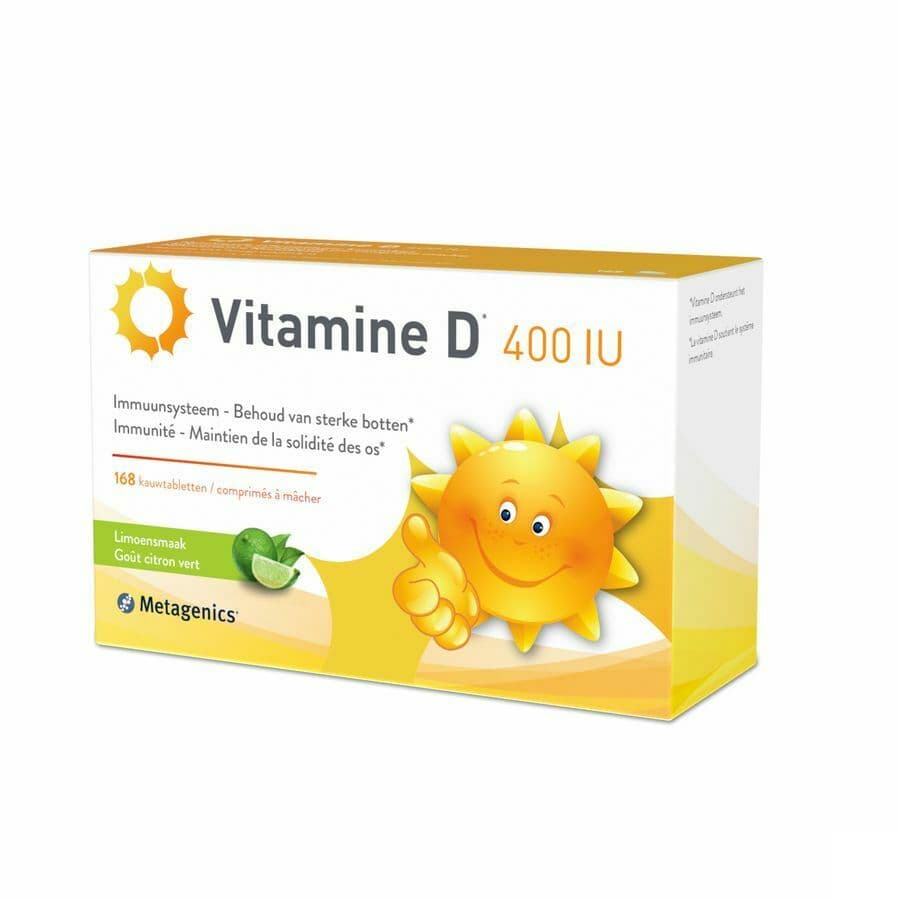
Chewable tablets can make daily use easier. Check flavourings, sweeteners and the number of pieces. Metagenics Vitamin D 400 IU Lime Chewables are listed from €15.63 to €17.75. If a professional has recommended a higher amount, Metagenics Vitamin D 2000 IU 168 Chewables compare at €15.89 to €19.35. Do not take multiple pieces simply to create a high dose yourself.
Softgels or pearls: compact, fixed-dose option
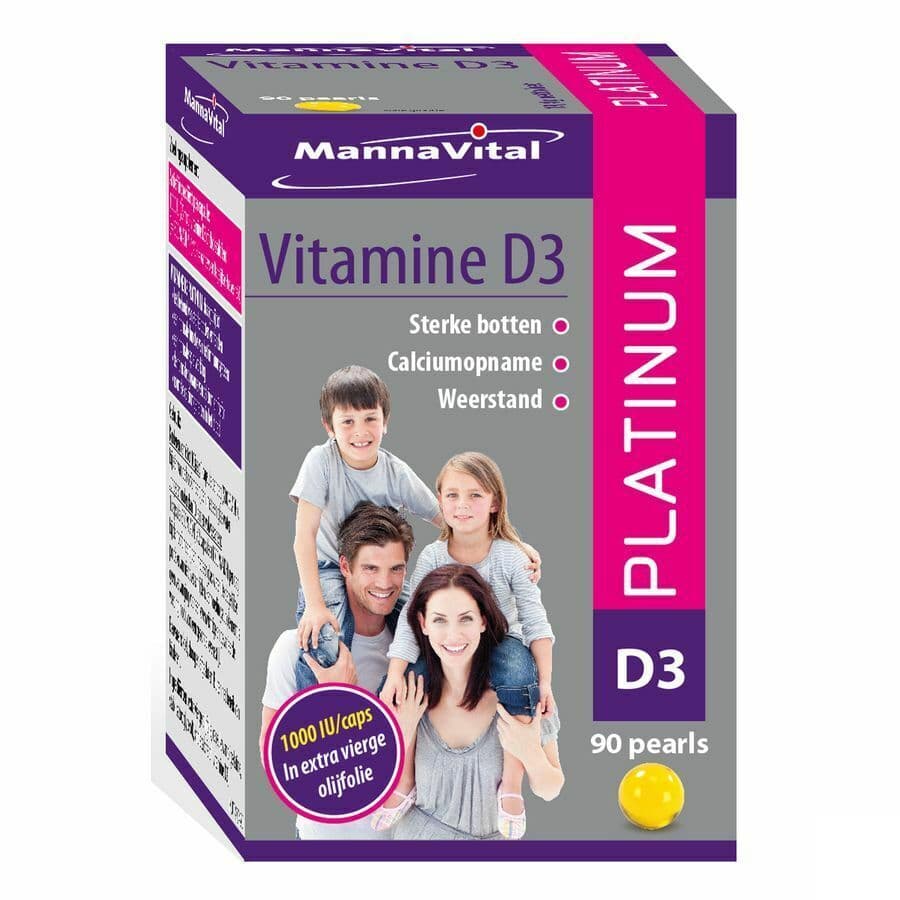
Softgels are small and often carry vitamin D in oil. They may be unsuitable for people avoiding gelatine or particular excipients. MannaVital Vitamin D3 Platinum Pearls currently range from €7.95 to €10.79. Always read the label for the precise dose and ingredients; the capsule format alone does not show whether a supplement is appropriate.
How to compare the true daily cost
The cheapest bottle is not necessarily the cheapest course. Write down four figures: dose per unit, units per pack, the labelled daily serving and total price. Divide price by the number of daily servings. Then compare only products supplying the same appropriate dose.
Factor in delivery charges and minimum order values too. Saving a few euros on one pack may disappear when it is ordered alone. PharmaCompare displays offers by retailer, and prices and availability can change.
Checks for buying supplements online
Belgium’s public health service recommends buying supplements from a recognised retailer, checking the full composition and directions, and watching for misleading claims. Its guidance on food supplements and fortified foods also explains Belgian notification and oversight. Avoid sellers presenting vitamin D as a cure or treatment for disease.
Check for duplication across products. A multivitamin, separate vitamin D supplement and calcium formula may all contribute to the same total. Ask for advice for children, pregnancy, breastfeeding, people over 70, prolonged use or a medically confirmed deficiency.
Common questions
Is vitamin D3 better than D2?
Both forms contribute to vitamin D intake, although many consumer supplements use D3. For a buying decision, an appropriate dose, clear labelling and consistent use as advised matter more than marketing around the format.
Should vitamin D be taken with food?
Vitamin D is fat-soluble. Follow the product directions; a pharmacist can advise based on your meals and medicines.
Is 2,000 IU always better than 400 IU?
No. The suitable amount depends on factors such as age, diet, sunlight exposure and professional advice. A tolerable upper level is not a daily goal.
Bottom line: dose first, then format and price
Drops offer flexibility, tablets simplicity, chewables convenience and softgels a compact format. The largest current retailer spread in this selection is €6.03, but an appropriate dose matters more than that saving. Compare current cost per daily serving on PharmaCompare, and speak to a pharmacist or doctor if you are unsure or suspect a deficiency.