If you already know that a specific fragrance substance triggers your skin, choose skincare by reading the full ingredient list rather than relying only on “fragrance-free”. For someone without a known sensitivity, scented skincare is not automatically unsafe. The updated European labelling rules make comparison more useful: more fragrance allergens must now be named individually on the pack.
Since 31 July 2026, newly marketed cosmetics that do not comply with the expanded rules can no longer be placed on the EU market. Stock placed on the market earlier may remain available until 31 July 2028. During this transition, you may see different labels on products that otherwise look the same. Check not only the format and price, but also the packaging that arrives.
What changed on EU cosmetics labels?
A fragrance composition can generally still appear as parfum or aroma in an INCI ingredient list. Certain allergens must also be listed by their individual names above a threshold: 0.001% in leave-on products such as creams and deodorants, and 0.01% in rinse-off products such as shower gels. The new measure adds individual labelling for 56 more fragrance allergens. The European Commission explains the consumer rules and transition dates; the binding detail is in Regulation (EU) 2023/1545.
A longer ingredient list does not mean that a product has suddenly become less safe. It may simply make substances previously covered by the general word “parfum” more visible. That is especially valuable for people whose contact allergy has been identified by a dermatologist through patch testing. Scientific review also continues substance by substance: on 12 and 14 October 2026, the EU committee published new final SCCS opinions on fragrance substances.
Fragrance-free is useful, not a universal quality seal
“Fragrance-free” answers one question: has perfume been added? It does not guarantee that the formula is simpler, more effective or problem-free for every person. Botanical extracts, preservatives and other ingredients can also trigger reactions. Conversely, someone without a known fragrance allergy may tolerate a lightly scented cream perfectly well.
A practical decision guide:
- If you have a confirmed contact allergy, look for the exact ingredient names identified by your dermatologist.
- If your skin often reacts but the cause is unclear, introduce one product at a time and patch test it on a small area first.
- If you have eczema, persistent itching, swelling or blisters, seek professional advice; skincare cannot diagnose or treat the underlying cause.
- If you have no symptoms and enjoy a light scent, a fragranced version is not automatically a poor choice.
Three fair comparisons within the same range
Similar names do not prove that two formulas are identical except for fragrance. Compare their intended use, quantity and INCI lists too. These pairs are still useful because their sizes and positioning closely match. Prices were checked on 29 October 2026 and can change.
Hand cream: the same current price range
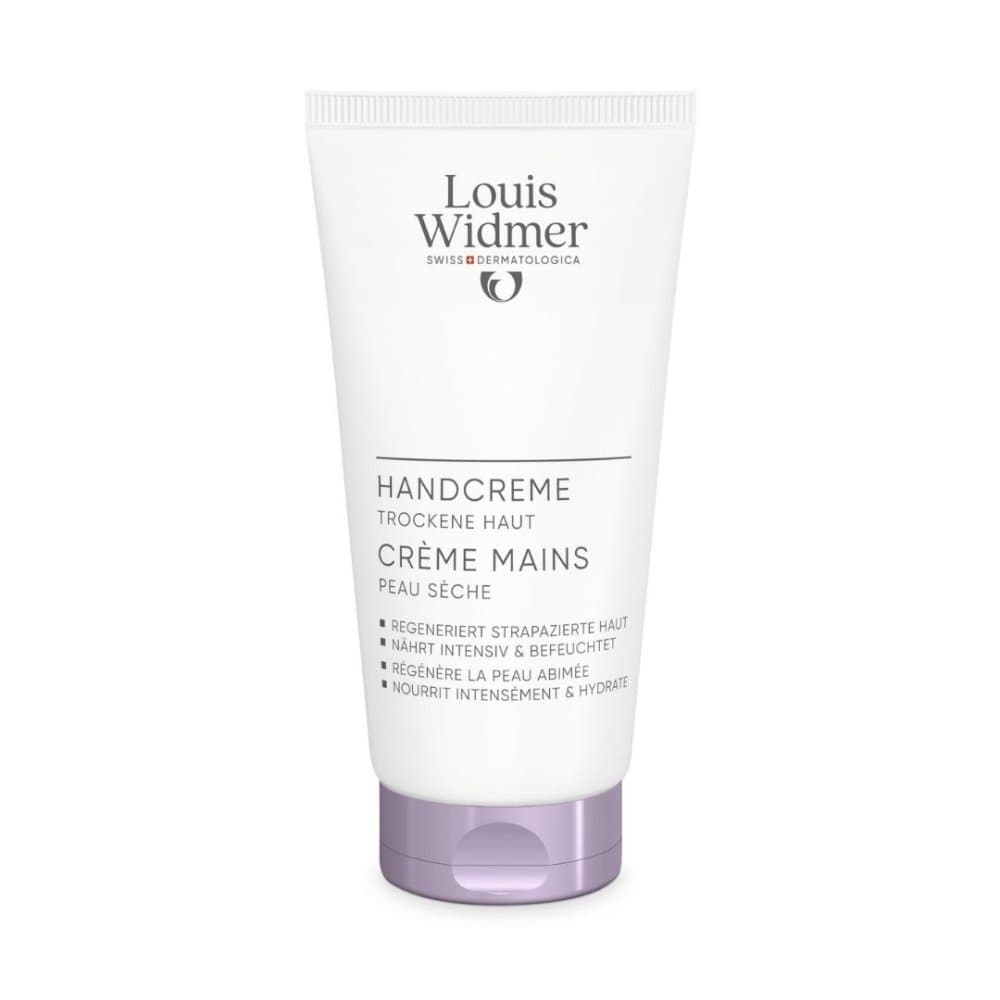
The Louis Widmer Bodycare Hand Cream Fragrance-Free 75 ml and Hand Cream With Fragrance 75 ml were each offered by two sellers from €8.00 to €11.50. Fragrance preference did not change the lowest price, so tolerance and personal preference are the deciding factors. The €3.50 seller difference was almost 44% of the lowest price.
Deodorant cream: separate scent from product function
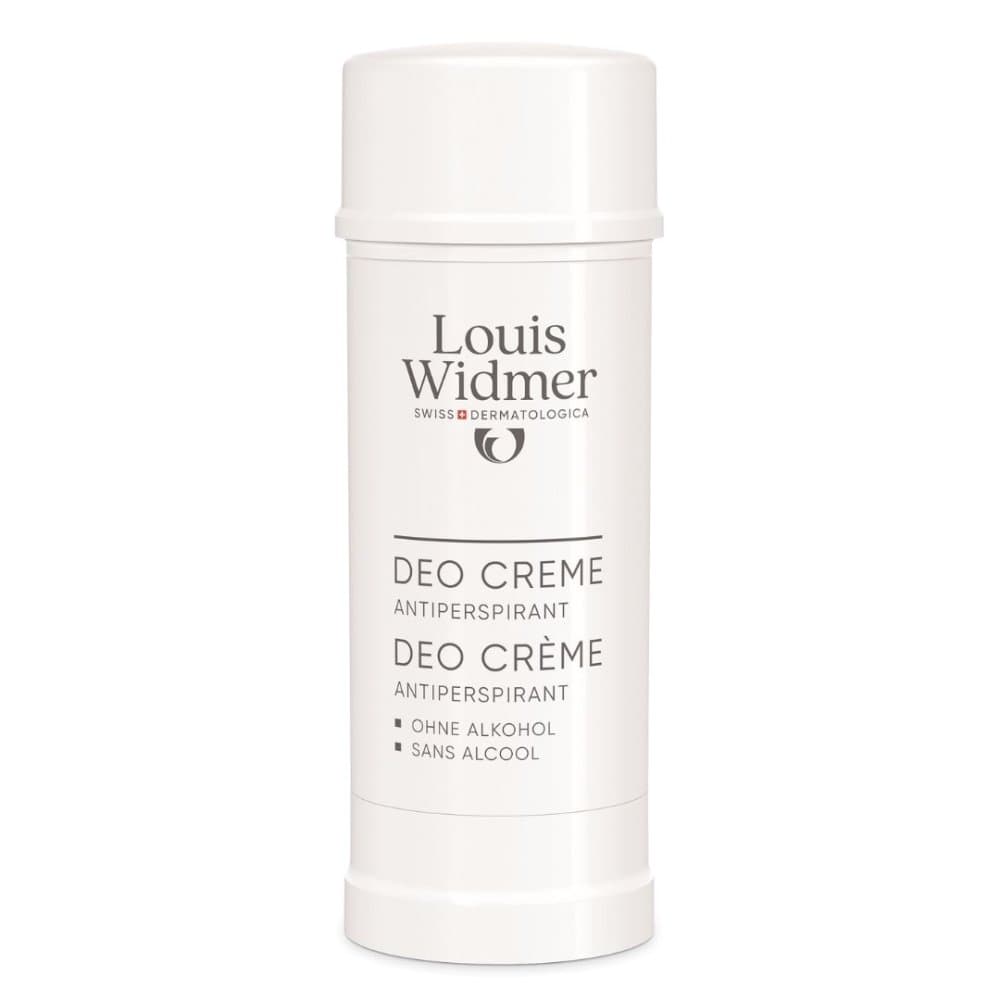
Both the Antiperspirant Deodorant Cream Fragrance-Free 40 ml and the version With Fragrance 40 ml ranged from €11.85 to €16.50 across two sellers. Both are antiperspirants: “fragrance-free” does not mean “free from aluminium salts”. Check fragrance and the functional ingredients as separate decisions. Comparing the retailer could save €4.65.
Body milk with 10% urea: no scent-related price premium
For very dry skin, the Remederm Body Milk 10% Urea Fragrance-Free 200 ml and its lightly scented counterpart were each available for €16.65 to €24.50 from two sellers. That is a €7.85 difference between the lowest and highest current offers. Compare the exact size and concentration: a 400 ml value pack is not a like-for-like price comparison with these 200 ml bottles.
How to read an updated cosmetics label
Start with the purpose: hand cream, antiperspirant and urea body milk solve different needs. Next, look for “parfum” or “aroma” and scan the individually named fragrance substances to which you are known to react. Check the volume and, if necessary, convert prices to a cost per 100 ml. Finally, consider seller stock and delivery charges; the lowest item price may not produce the lowest basket total.
Online ingredient information can lag behind packaging updates, particularly during the transition ending in 2028. The physical pack you receive is therefore the decisive reference. Stop using a product if you develop a clear reaction and consult a pharmacist, doctor or dermatologist if symptoms persist.
Quick questions
Does a listed fragrance allergen mean the product is unsafe?
No. The listing provides transparency and helps people already sensitised to that substance avoid it. It does not predict that every user will react.
Does “unscented” always mean “fragrance-free”?
Not necessarily. Marketing wording varies. The INCI list on the actual pack remains the best check, especially when you know the specific allergen you need to avoid.
Conclusion: compare the label, formula and total price
The new EU labels make informed choice easier, but they do not turn fragrance-free into a guarantee or fragranced into a universal warning sign. Choose according to known sensitivities, compare equivalent product sizes and check the ingredients when your order arrives. PharmaCompare can then help you compare the current prices of each variant before you buy.