Dry, burning or tired eyes? For mild daytime discomfort, thin artificial tears are usually the most practical first option. A thicker gel tends to stay on the eye longer but may briefly blur vision, while ointment is generally best reserved for bedtime. Contact-lens wearers should always check that a product is compatible with their particular lenses. The right format depends more on timing, symptom intensity and frequency of use than on the brand name alone.
Drops, gel or ointment: the short answer
Liquid lubricating drops spread quickly and usually interfere little with vision, making them convenient at work or on the move. Gel drops are more viscous and may provide longer comfort when dryness is more pronounced, although short-lived blurring is possible. Eye ointment forms the thickest layer and is more suited to overnight symptoms or discomfort on waking. It is impractical immediately before driving, reading or screen work.
Artificial tears and ointments relieve symptoms; they do not diagnose the cause or automatically correct it. The international TFOS DEWS III review describes dry-eye disease as multifactorial. Choice should therefore reflect tear-film and eyelid factors, the environment and the individual rather than following a simple strongest-is-best ladder.
Comparing five current products and prices
The prices below were checked in the PharmaCompare database on 25 October 2026. All five products were available from two retailers delivering to Belgium. Prices and stock can change, so open the product page for the latest position before buying.
For light irritation and flexible daytime use
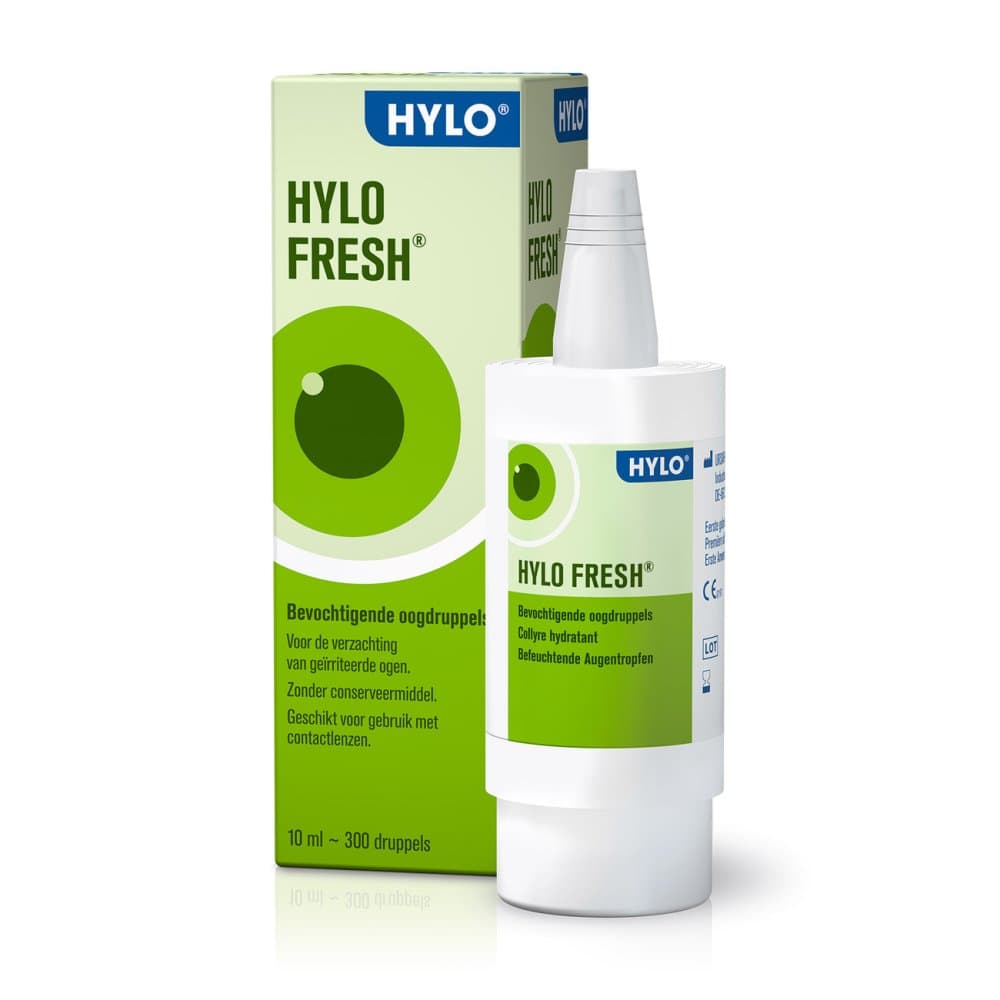
Ursapharm Hylo Fresh Eye Drops 10 ml was listed from €8.14 to €12.65, a €4.51 difference. The catalogue positions it for irritation associated with factors such as dry air, draughts, screen work and contact lenses. Still check the instructions before applying any drop while lenses are in place.
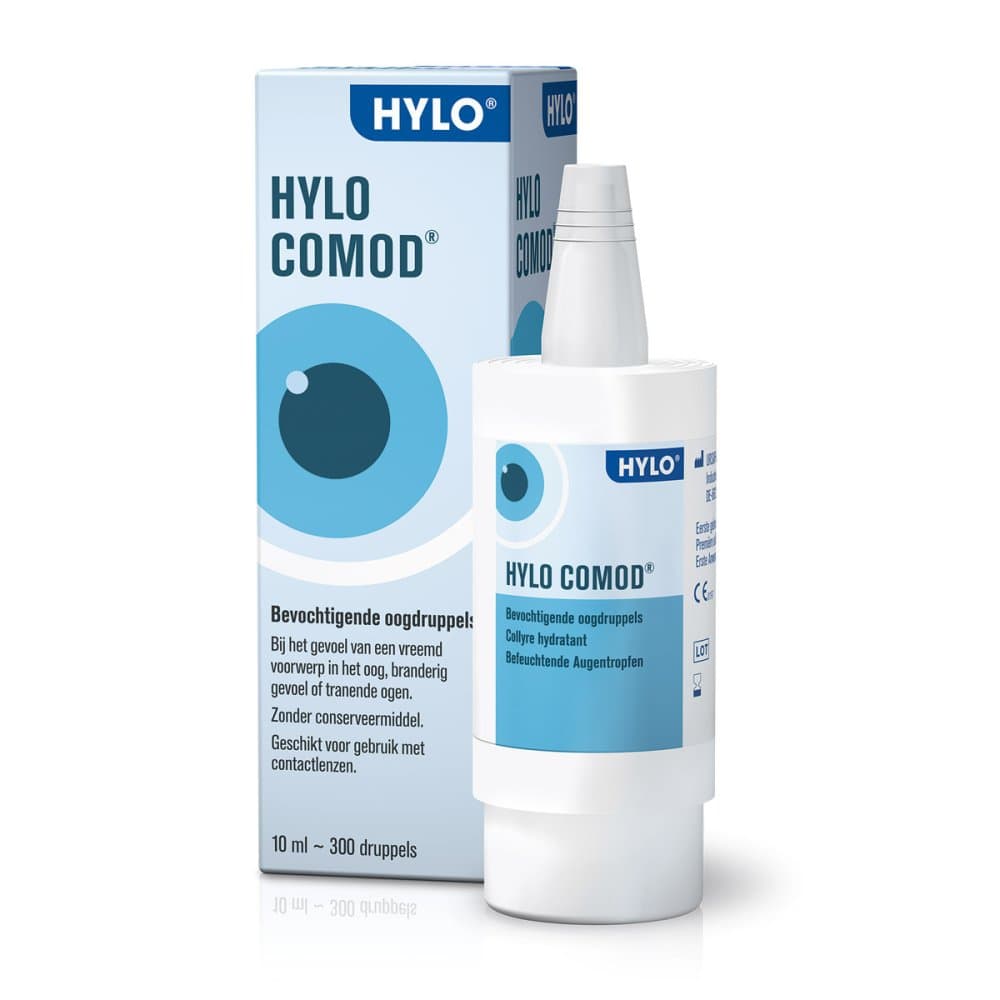
Hylo Comod Eye Drops 10 ml cost €11.45 to €16.99, a €5.54 spread. It is a general lubricating option for dry or burning eyes. Do not compare bottle price alone: time allowed after opening and expected dosing frequency both affect how much useful product you receive from a pack.
For more persistent dryness
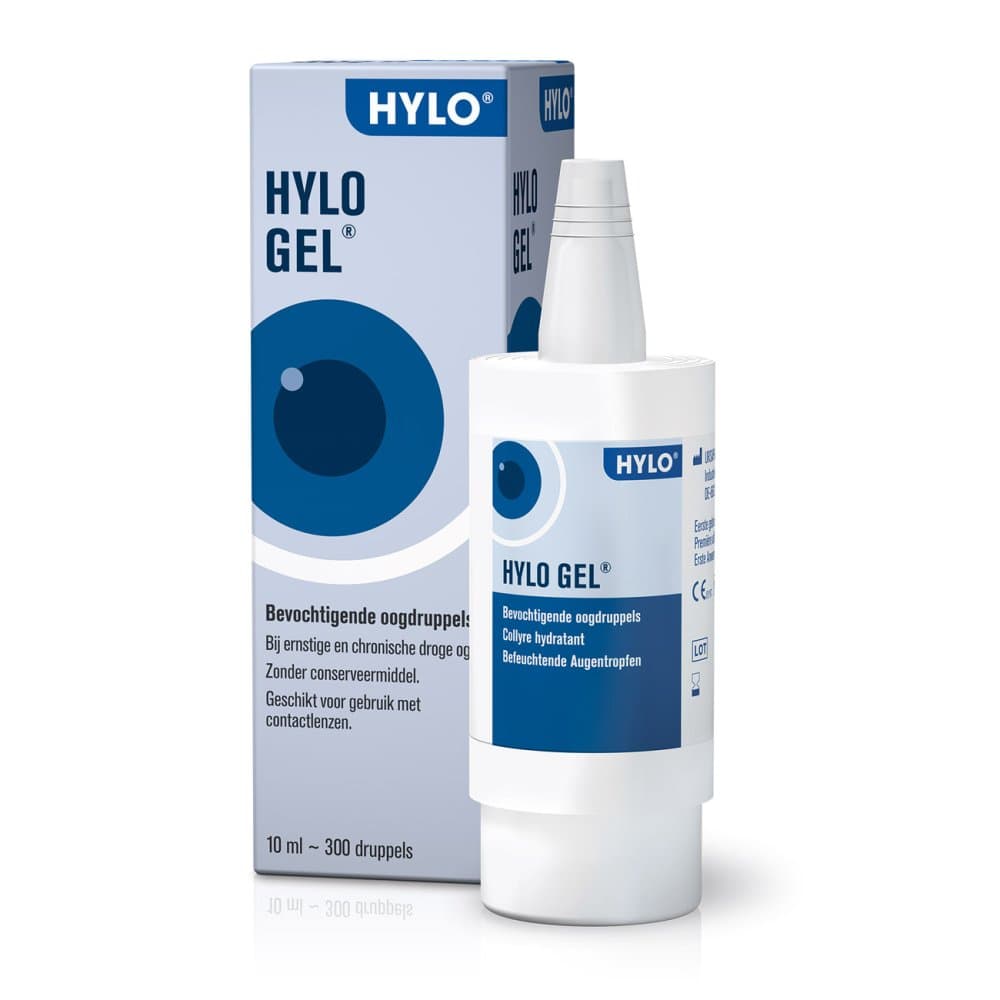
Ursapharm Hylo Gel Eye Drops 10 ml ranged from €12.75 to €20.75. Its €8.00 difference was the largest in this selection. A gel can remain on the ocular surface for longer. Try it first when briefly blurred vision would not create a problem.
The clinical TFOS DEWS III summary emphasises that dry eye is not a single uniform condition. Thicker is therefore not automatically better. A lighter drop may feel preferable for mild symptoms, while persistent problems deserve assessment by a pharmacist, optician, doctor or ophthalmologist.
For contact-lens wearers
Blink Contacts Eye Drops 10 ml was listed from €7.40 to €11.95, a €4.55 difference. It is marketed specifically for contact-lens wearers, making it a logical product to compare. However, not every eye drop can be used while lenses remain in the eye. Check the lens type, product leaflet and advice from your contact-lens professional.
If discomfort returns whenever you insert your lenses, do not simply extend wear by adding more drops. Remove the lenses and seek prompt advice if there is pain, marked redness, light sensitivity, discharge or reduced vision.
For overnight use
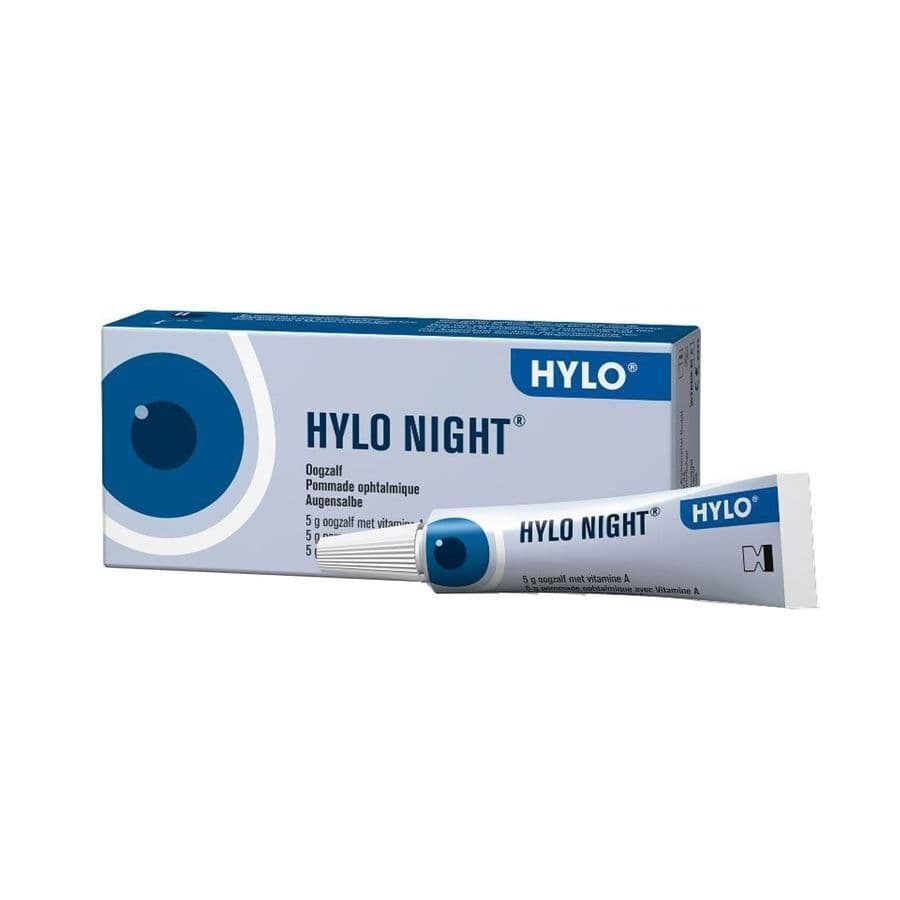
Hylo Night Eye Ointment 5 g cost €7.70 to €9.10, a €1.40 difference. Ointment is thicker than drops and is generally applied before sleep. A recent patient guide from Royal Free London makes the same practical distinction between liquid artificial tears, gels and ointments.
What should you compare beyond price?
Preservatives and frequency
Occasional use creates different needs from applying drops repeatedly throughout the day. For frequent use or sensitive eyes, a preservative-free presentation may be preferable. Confirm this for the exact product rather than inferring it from the brand name. Ask a pharmacist for advice when combining more than one eye product.
Pack size and cost per useful use
All four selected drop bottles contain 10 ml, while the night ointment contains 5 g. A liquid and an ointment therefore cannot be compared directly by pack price. Consider the delivery system, discard period after opening and likely frequency. A cheaper bottle that expires while nearly full is not necessarily the economical choice.
When not to keep self-treating
Sudden severe pain, an eye injury, light sensitivity, pus-like discharge or loss of vision needs urgent assessment. Arrange an appointment when symptoms persist, repeatedly return or mainly affect one eye. Dry-eye symptoms may be influenced by eyelids, medication, contact lenses, environmental exposure or another condition.
Common questions
Is gel always stronger than ordinary eye drops?
Not necessarily. Gel is mainly thicker and often remains in place longer. That can help with more intense discomfort but may briefly blur vision. It does not mean the underlying cause is being treated more effectively.
Can I use eye ointment during the day?
Only if the instructions permit it, but temporary blurring usually makes ointment more suitable at night. Do not drive until your vision is clear again.
Which option is cheapest?
In this snapshot, Blink Contacts had the lowest starting price (€7.40), followed by Hylo Night (€7.70) and Hylo Fresh (€8.14). They are designed for different situations, so select the right format first and compare sellers second.
Conclusion
Choose light drops for practical daytime use, a gel when you want longer-lasting comfort and an ointment mainly for night-time use. Lens wearers should verify compatibility explicitly. With price differences reaching €8.00 per pack in this selection, it is worth comparing current offers on PharmaCompare before ordering.