If your hair feels dry, rough or difficult to detangle, start with a conditioner after every wash. Add a hair mask when your lengths need extra care after bleaching, colouring, heat styling or repeated friction. A mask does not automatically replace regular conditioner: it is usually richer, stays on longer and suits a weekly rather than daily routine. Below are five practical choices with current prices in Belgium.
Conditioner versus hair mask: what is the difference?
A rinse-out conditioner is designed for regular use after shampoo. It leaves a thin cosmetic coating on the hair fibre, helps release tangles and reduces friction while combing. The American Academy of Dermatology recommends conditioner after washing. For fine or straight hair, it advises applying it mainly to the ends; dry or curly hair may benefit from application over more of the length.
A hair mask is generally richer and remains on the hair for several minutes. It can temporarily improve the feel of porous, chemically treated or very dry lengths. Keep expectations realistic: hair fibre is biologically dead material. Cosmetics can smooth its surface but cannot permanently fuse a split end back together. A recent scientific review of human hair friction explains how conditioning ingredients deposit on the fibre and can temporarily reduce friction.
Which format fits your routine?
Choose conditioner for regular maintenance
Use conditioner after shampoo when your hair tangles easily, looks dull or feels rough. Start with a small amount from the mid-lengths to the ends. On fine hair, a heavy formula near the roots can look flat or greasy, so thorough rinsing matters.
These four rinse-out options cover different price points:
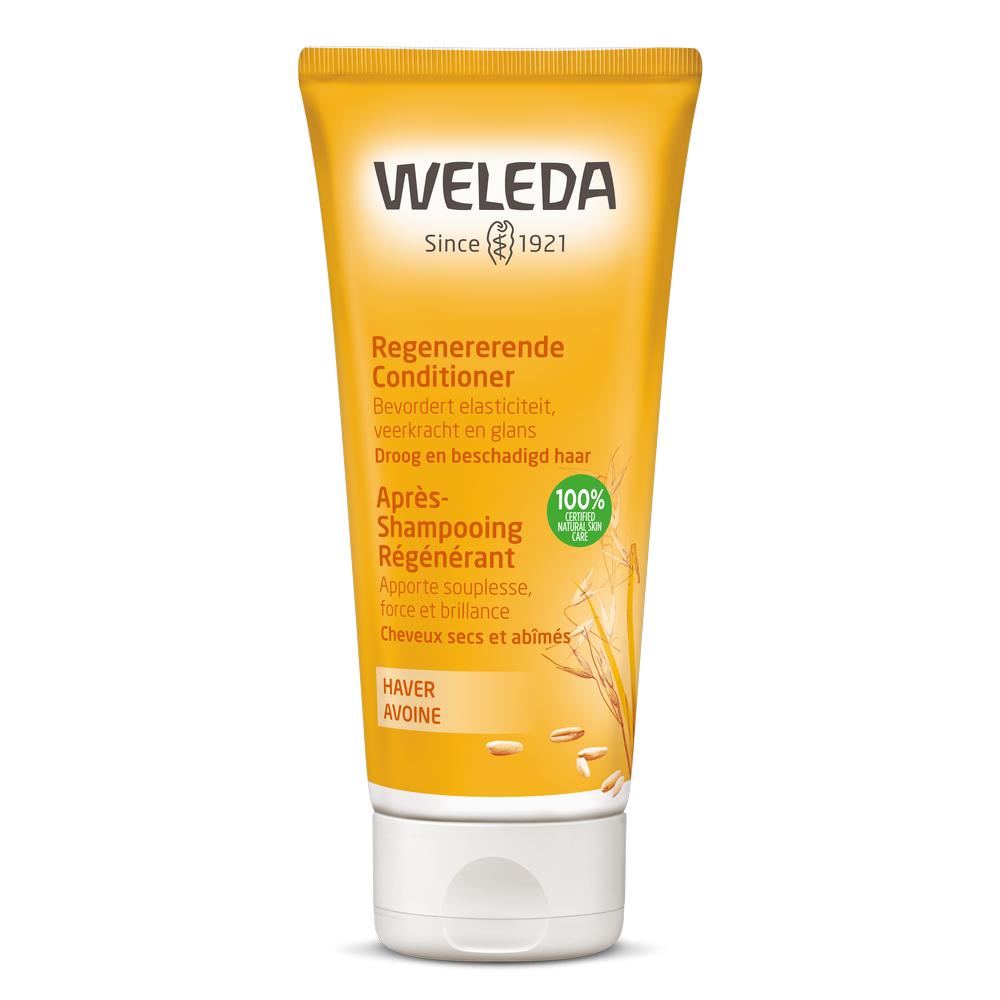
- Weleda Oat Replenishing Conditioner 200 ml was €8.45 to €10.61, roughly €4.23 to €5.31 per 100 ml. The difference between two sellers was €2.16.
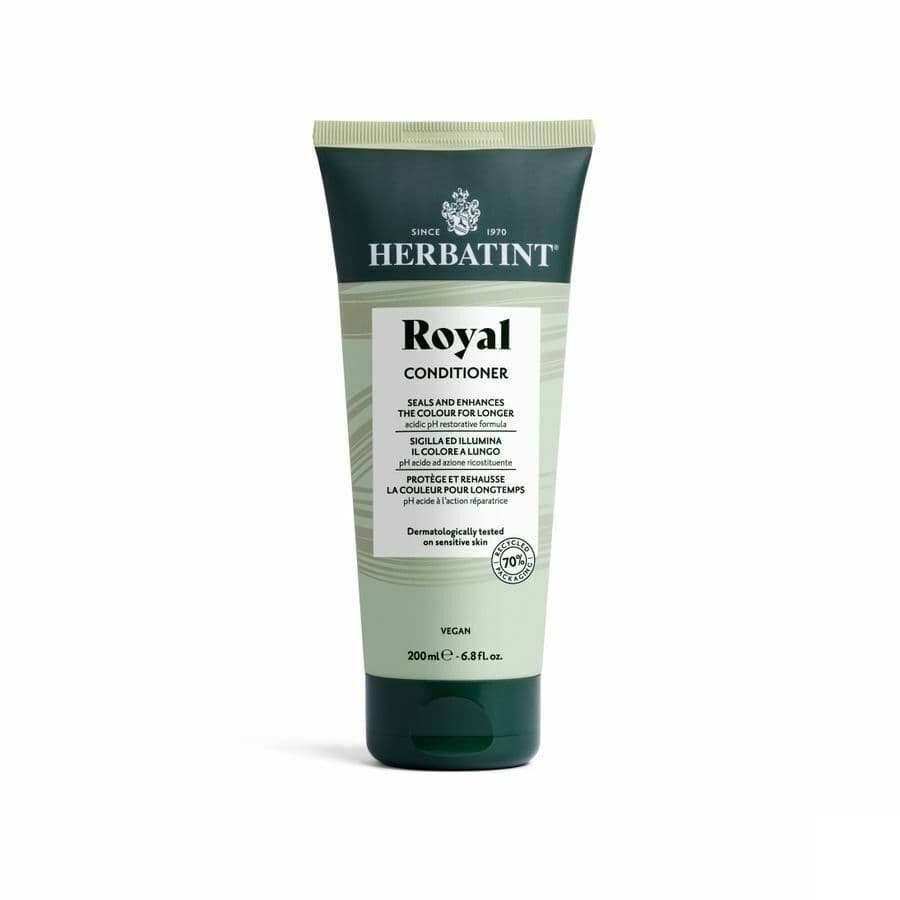
- Herbatint Royal Cream Conditioner 200 ml was €13.46 to €16.10, approximately €6.73 to €8.05 per 100 ml. Comparing sellers saved up to €2.64.
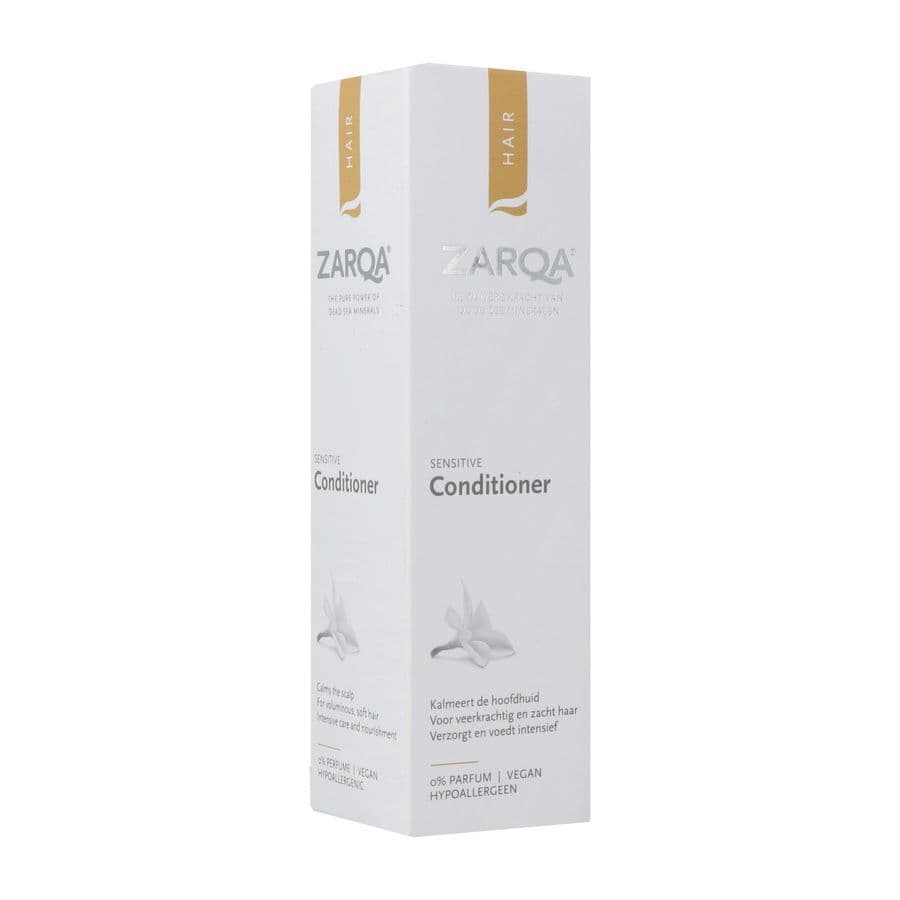
- Zarqa Sensitive Hair Conditioner 200 ml was available for €13.94, about €6.97 per 100 ml. There was one current seller at the time of checking, so confirm the price before ordering.
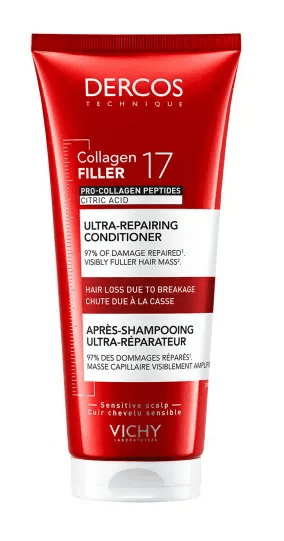
- Vichy Dercos Collagen 17 Filler Conditioner 200 ml ranged from €17.20 to €21.15, around €8.60 to €10.58 per 100 ml. Its price gap reached €3.95.
Prices are a snapshot from 28 October 2026. Delivery fees and promotions can change which basket has the lowest total cost.
Choose a mask for a more intensive care step
If your ends remain coarse despite regular conditioner, adding a mask once a week can be practical. The Weleda Oat Replenishing Treatment 150 ml cost €11.47 from one current seller, approximately €7.65 per 100 ml. Its unit price sits in the middle of this selection, although a mask is normally used less frequently.
Always follow the contact time and directions on the packaging. Leaving it on for longer does not guarantee a better effect. Apply a rich mask mainly to the lengths and ends unless the label explicitly says it is suitable for the scalp. Stop if irritation occurs. Persistent itching, scaling, breakage or shedding deserves advice from a pharmacist, doctor or dermatologist.
Compare cost per use, not only the jar price
The cheapest pack is not necessarily the best value. Compare at least four factors:
- Price per 100 ml. This gives a fair comparison across pack sizes.
- How often you use it. A 150 ml weekly mask may last longer than a conditioner used after every shampoo.
- Hair length and texture. Long, thick or curly hair usually needs more product than short or fine hair.
- Number of sellers. The same bottle can differ by several euros. Include delivery fees and minimum order thresholds.
The largest identical-product gap here was Vichy at €3.95. Herbatint differed by €2.64 and the Weleda conditioner by €2.16. Once you have chosen a formula, compare the exact same EAN and pack size rather than switching products solely because one headline price looks lower.
Preventing fresh damage matters too
Conditioner makes hair easier to handle, but everyday habits also determine future damage. Shampoo the scalp instead of rubbing the lengths vigorously, detangle gently from the ends upwards and blot rather than scrub with a towel. Limit high temperatures from hair dryers, straighteners and curling irons. AAD dermatologists advise low to medium heat and minimal pulling on wet hair.
It is also important to distinguish breakage from hair loss. Broken fibres are often shorter and frayed; hairs shedding from the root can have another cause. Conditioner and masks are cosmetics, not medicines, and they do not treat a medical cause of hair loss.
Frequently asked questions
Does a hair mask go before or after conditioner?
Follow the label. Many masks are used after shampoo and rinsed out; some routines then finish with conditioner. If the manufacturer presents the mask as a conditioner replacement, an extra layer is often unnecessary.
Can you use a hair mask every day?
Most people do not need to. Too much rich product can weigh down fine hair or create build-up. Start once a week and adjust according to the result and packaging instructions.
What works for fine but dry hair?
Begin with a lightweight conditioner on the ends and use a small amount. Add a mask only if the lengths remain rough. Judge the routine over several washes instead of introducing several new products at once.
Conclusion: start simply and compare the exact product
For most dry or damaged hair, a rinse-out conditioner is the sensible foundation; a mask is a more intensive extra step. Choose according to texture, frequency and price per 100 ml. Because identical products in this comparison differed by as much as €3.95, check current prices on PharmaCompare again immediately before ordering.